Review the record
before it moves forward.
Upload, map, and confirm every course so nothing gets missed.
- Map courses to requirements
- Detect gaps and mismatches
- Lock in an accurate record


Global education is moving faster than the systems built to recognize it. UNESCO reported that 6.9 million students now study outside their home countries, three times the number in 2000. In the United States alone, 54,356 foreign students were enrolled in K–12 programs in 2024, while 18.3 million children lived in immigrant families. Yet the latest national data show that English learners graduate on time at 72% , compared with 87% of students overall. When curricula, languages, grading systems, credit units, and local graduation rules do not align, years of completed learning can become unclear at the exact moment families must make course-placement and graduation decisions.
Based on our review of publicly documented education and credential platforms, ScholaPort is the world’s first student-owned, pre-counselor academic mobility system built specifically for internationally transferring high-school students. Traditional credential services produce evaluation reports mainly for admissions, employment, licensing, or immigration. ScholaPort connects the entire high-school transition in one private workspace: transcript extraction and translation, student-confirmed course records, probable credit mappings with confidence and review flags, destination-specific graduation-gap analysis, a prioritized academic roadmap, and a counselor-ready packet. Every result preserves uncertainty, traces academic claims to source evidence, and leaves final decisions with the receiving school.

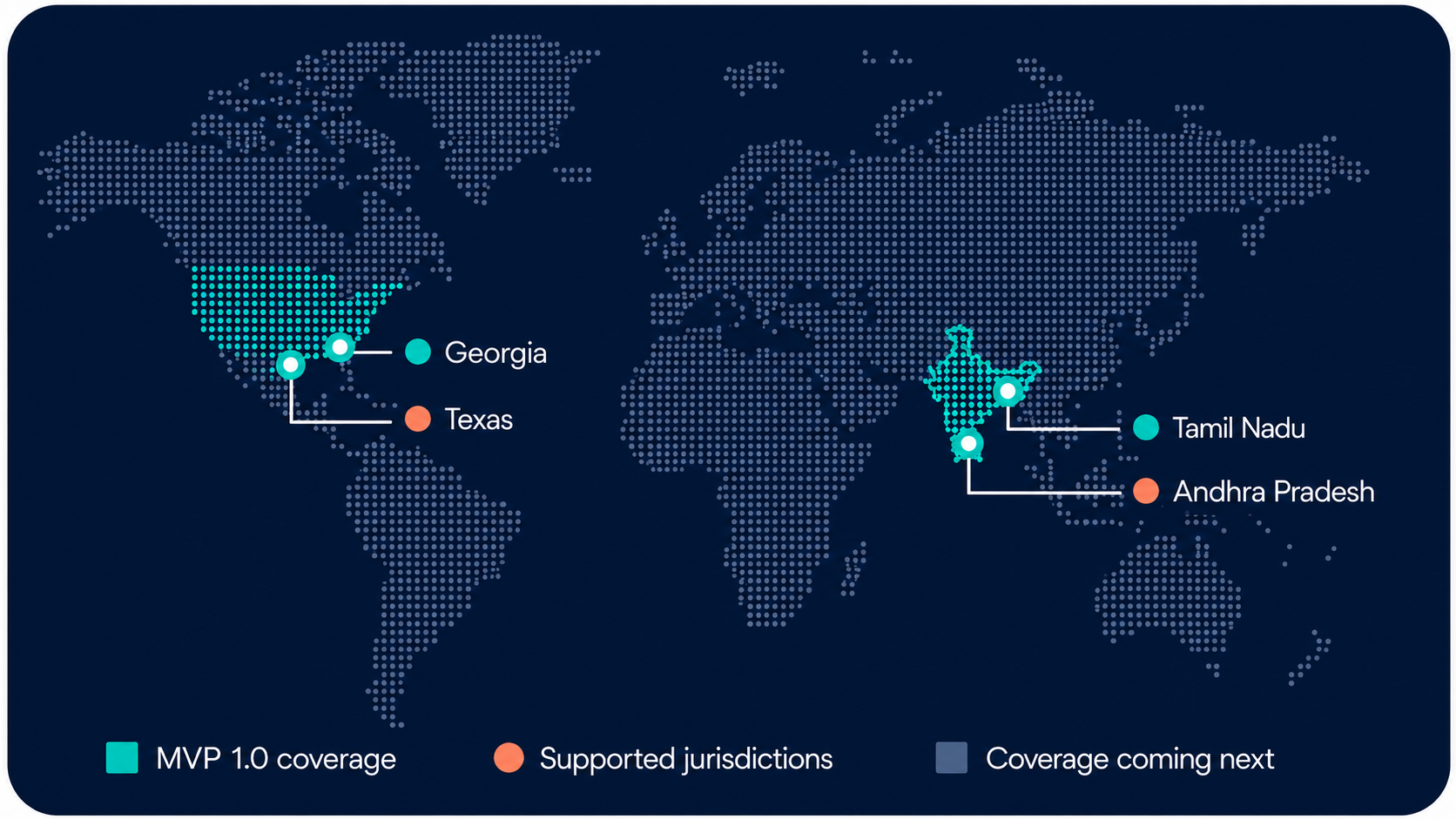
A Tamil Nadu HSC record is not the same as an Andhra Pradesh Intermediate record. Georgia and Texas do not follow the same graduation framework. ScholaPort models every supported route by its actual board, curriculum, and destination jurisdiction instead of forcing students through one generic national template.
Source records are interpreted through their own State Board curriculum structure.
Secondary and Intermediate records remain connected to their actual source curriculum.
Confirmed courses are compared with Georgia-specific graduation requirements.
Texas planning uses its own diploma framework rather than a generic U.S. model.
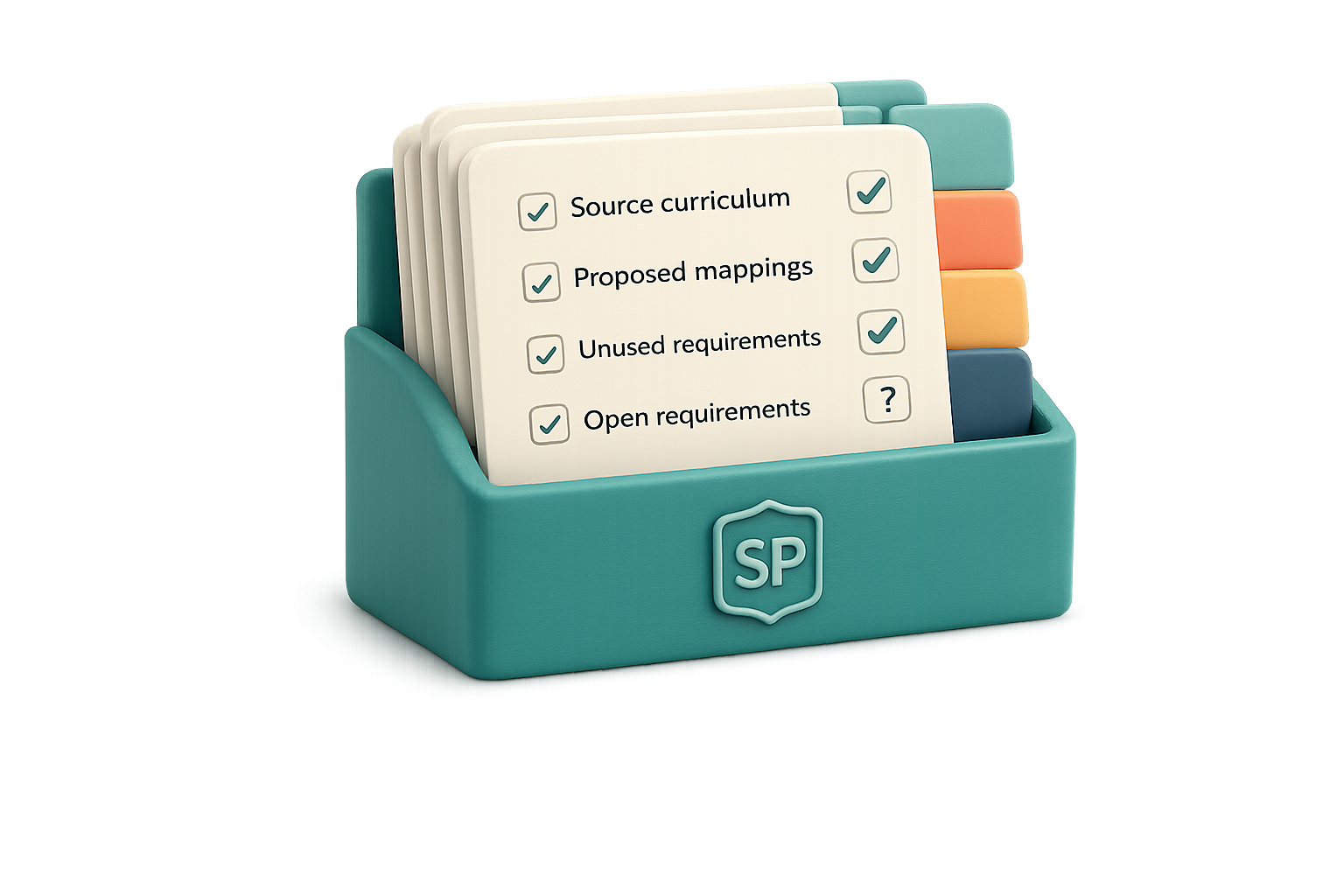
ScholaPort gives transferring students one place to organize their academic history before the first planning meeting. Counselors receive a cleaner view of confirmed courses, probable mappings, open requirements, and the questions that still need a human decision.
Private beta for high school transfers from Tamil Nadu or Andhra Pradesh into Georgia or Texas.
Review your extracted course information, confirm what is accurate, see how your record may fit the destination system, and keep every next step in one private workspace.

Review the student's source curriculum, proposed mappings, unresolved requirements, and prepared questions through one organized planning packet.

One connected workspace for students to review their record, understand the destination framework, and prepare for more productive counselor conversations.
Upload, map, and confirm every course so nothing gets missed.

Open gap analysis →
Resolve the local elective, then unlock the remaining schedule.
View roadmap →Summarize the plan, mapping, gaps, and next steps.
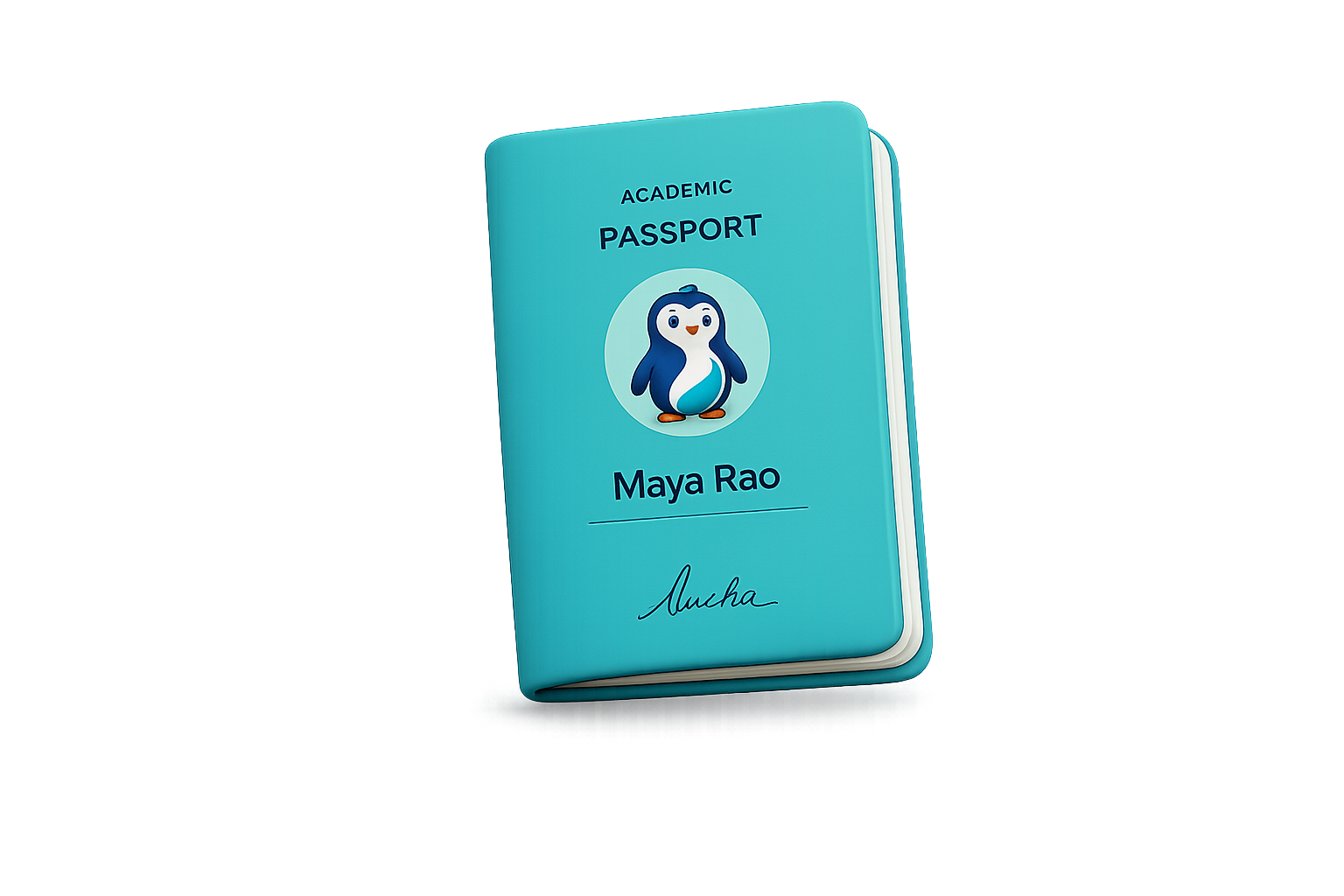
Print / Save PDFCustomize appearance and personal details.

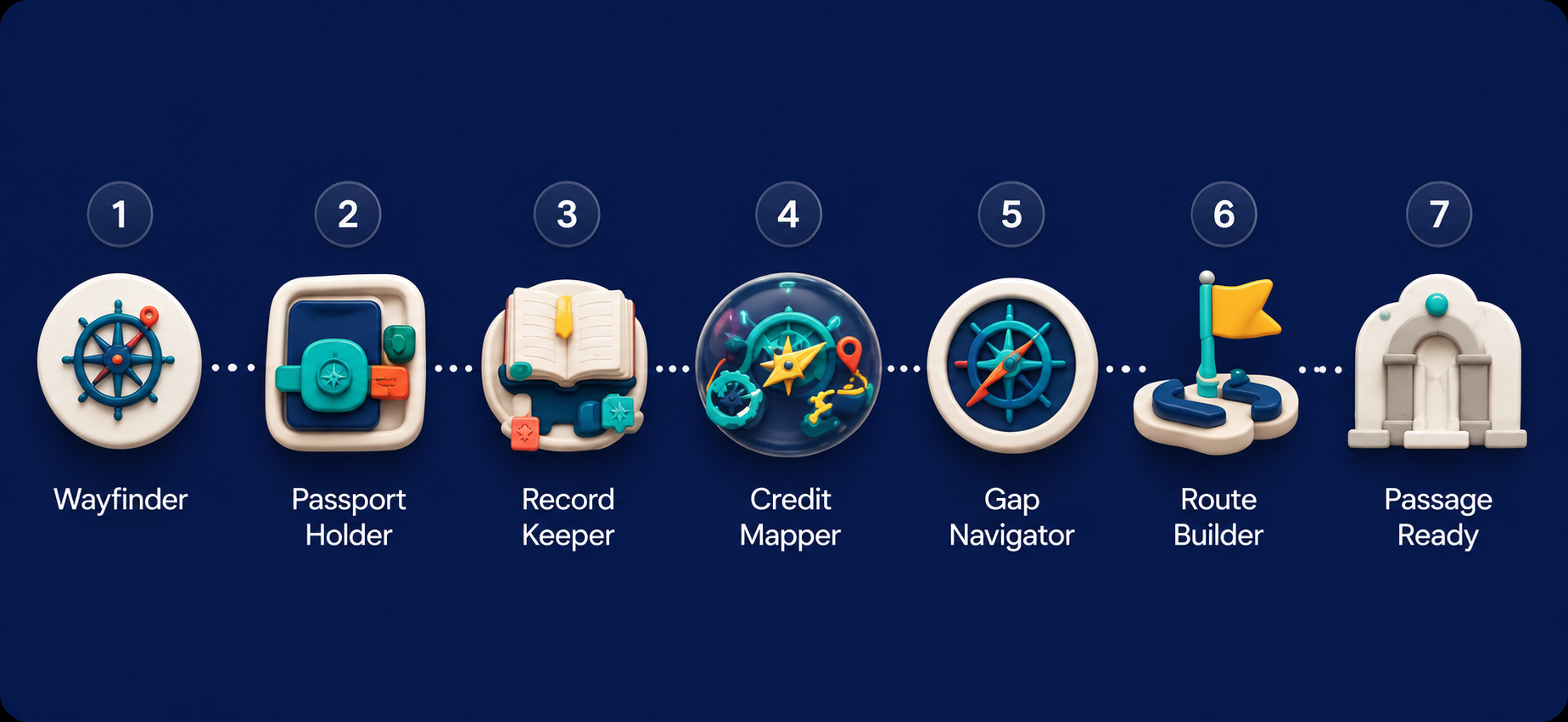
Customize Passport →Complete tasks, earn ranks, and unlock new milestones.


and more confident
next steps
Add your academic record securely so Scholaport can prepare it for review.

Review how confirmed courses may correspond to the destination framework, including confidence and counselor-review indicators.

Spot what is satisfied, missing, or still unclear against destination requirements.

Turn results into a roadmap and a counselor-ready packet you can act on.

Education rules change by curriculum, jurisdiction, cohort, and year. ScholaPort does not ask an AI model to invent a universal equivalency. Supported academic claims are connected to reviewed reference data, probable mappings remain open to review, and missing coverage stays visible instead of being replaced with confident guesses.

A four-step process that keeps academic planning trustworthy, transparent, and reviewable.
Collect official curricula, policies, and authoritative guidance for the source jurisdiction.
Map academic claims to reviewed source records with citations and effective dates.
Label as supported, probable, or missing so uncertainty is visible at every step.
Route to students and counselors for confirmation and final decisions.
Academic records and transcript files are stored through authenticated, user-scoped access rather than being made publicly visible.
Extracted and translated course information remains editable until the student reviews and confirms it. Only confirmed course records move into mapping and planning.
ScholaPort organizes evidence, probable mappings, open requirements, and prepared questions. The receiving school or counselor makes all final credit, placement, and graduation decisions.
Both release cards are visible.
Beta 1.0 is intentionally specific. These answers explain who it supports, where the boundaries are, and what remains in your—and your school's—control.